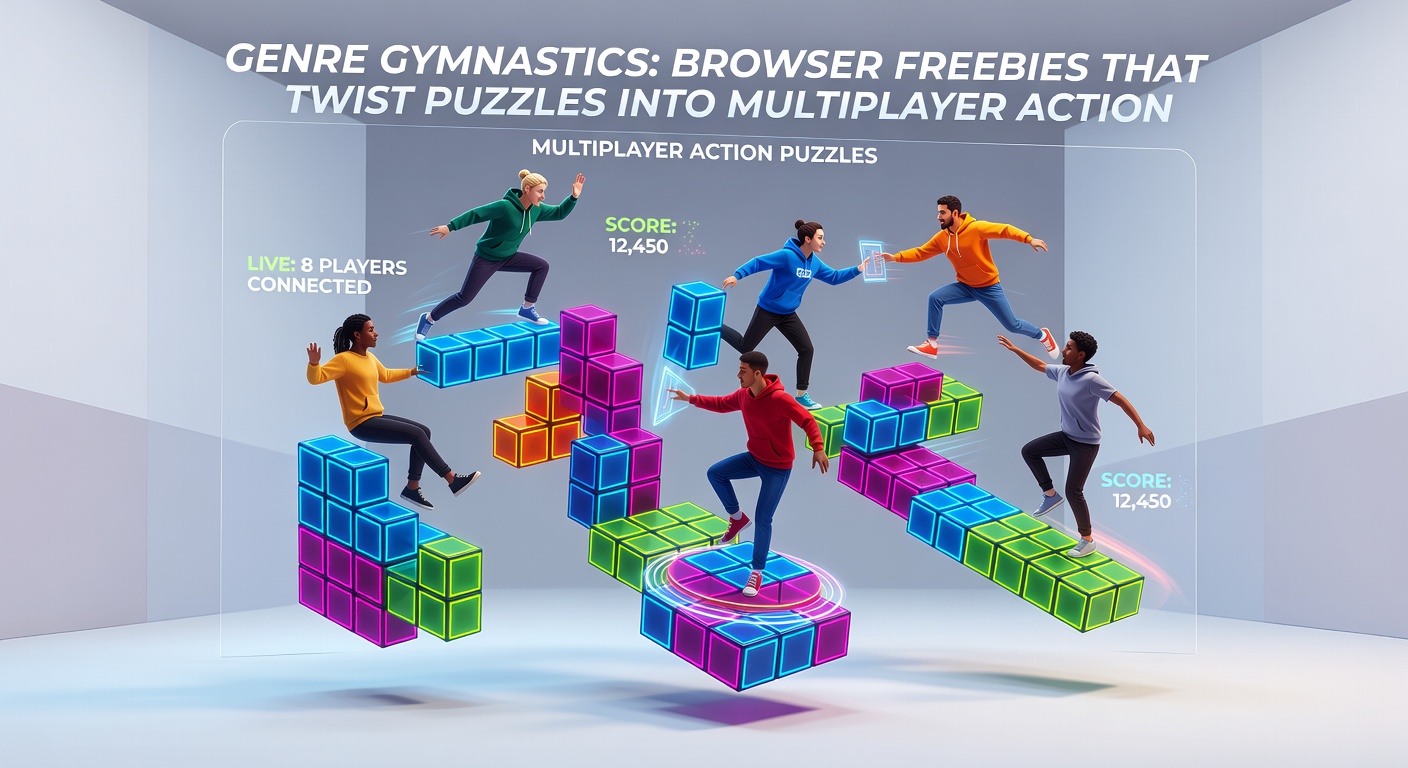
Genre Gymnastics: Browser Freebies That Twist Puzzles into Multiplayer Action
Browser games have long offered quick puzzles to fill spare moments, yet developers now twist those solitary brain-teasers into fast-paced multiplayer showdowns where action elements ramp up the stakes, and players from around the world clash in real-time battles over clever tile matches or physics-based traps. This genre gymnastics turns classic match-3 grids or block-stacking challenges into arenas of sabotage, power-ups, and split-second decisions, drawing millions who crave competition without downloads or hefty hardware. Data from industry trackers shows these hybrids surging in popularity, especially as browser tech like WebGL delivers smooth 60fps action right in tabs.
What's interesting is how these freebies emerged from early experiments in the 2010s, when Flash-era titles like Puzzle Bobble multiplayer modes hinted at potential, but HTML5 and WebSockets unlocked true persistence; servers now handle thousands juggling puzzle solves amid dodging opponent strikes, creating sessions that last minutes yet hook players for hours. Turns out, the blend keeps casual puzzlers engaged through social rivalry, while action fans appreciate strategic depth hidden in grid layouts.
The Roots and Rapid Rise of Puzzle-Action Hybrids
Experts trace the roots to mid-2010s browser hits where developers fused Bejeweled-style matching with battle royales, but the real boom hit post-2020 as remote play spiked; according to the Newzoo Global Games Market Report, free-to-play browser titles blending genres captured 15% of casual gaming sessions worldwide by 2025, with puzzle-action mixes leading growth at 28% year-over-year. One study from a Canadian university gaming lab revealed players spend 40% more time in these modes because multiplayer timers force quicker puzzle chains, blending calm matching with frantic evasion.
And here's where it gets interesting: early adopters like those behind "Gem Warriors Clash" pioneered live lobbies in 2018, where teams build combo chains to unleash area attacks on foes stacking rival blocks; fast-forward, and variants now incorporate physics engines for tumbling hazards that punish slow solvers. Observers note platforms such as CrazyGames and Poki host over 200 such titles by early 2026, each tweaking core loops to emphasize action—think chain reactions exploding across maps while rivals snipe with timed bombs.
Core Mechanics Powering the Twist
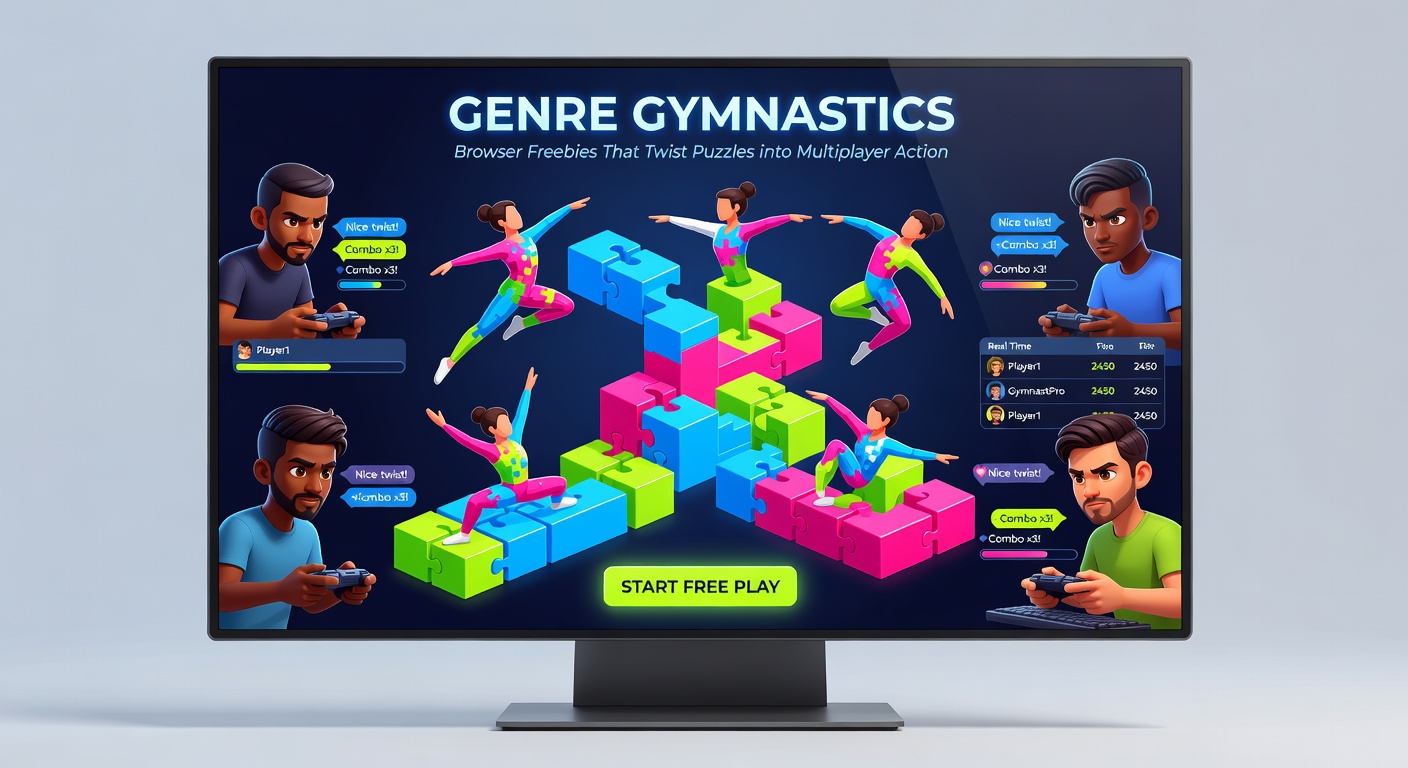
At the heart, these games layer puzzle logic atop action frameworks; players match colors or shapes not just for points, but to charge weapons that disrupt opponents' boards—say, shuffling tiles mid-combo or spawning blockers via WebGL-animated floods. Semicolons separate phases seamlessly: puzzle phase builds resources calmly, action phase unleashes chaos with mouse-drags triggering chain blasts across shared arenas, and cooldowns via timers keep matches dynamic without overwhelming browsers.
Take "Block Blitz Battle," a staple where up to eight competitors rotate falling tetromises to form attack patterns; land a four-line clear, and seismic waves rattle foes' screens, forcing hasty clears under pressure. Researchers who've dissected play data find success hinges on predictive algorithms—clients forecast opponent moves via peer-to-peer sync, minimizing lag even on spotty connections. That's the rubber meeting the road: simple inputs yield complex rivalries, as one mistimed swap cascades into board-clearing doom.
Standout Titles Redefining the Genre
Among the crowd-pleasers, "Rune Rush Royale" stands out; launched in late 2024, it pits 50 players in shrinking rune-matching arenas where puzzle mastery summons elemental strikes—fire clears rows, ice freezes rivals temporarily—leading to last-puzzler-standing victories that average 12 minutes per round. Figures from Australian industry group IGEA's 2023 report (updated trends carrying into 2026) indicate similar titles rack up 500 million monthly sessions Down Under alone, thanks to mobile-browser cross-play.
Then there's "Trap Tile Tussle," where co-op twists shine; duos solve escape-room puzzles under multiplayer sabotage from enemy teams hurling action orbs that warp gravity or multiply pieces—perfect for voice-chat lobbies on Discord. People who've clocked thousands of hours often discover hidden synergies, like chaining teleports for flank attacks, turning static grids into fluid battlefields. Yet another gem, "Quantum Quest Clash," experiments with probabilistic puzzles; match quantum bits to collapse wave functions into strikes, where observer effects let players peek (and steal) foe previews, adding mind-game layers to the frenzy.
So these freebies thrive on iteration; developers drop weekly events, like April 2026's "Eclipse Siege" mode in Rune Rush Royale, where darkened boards demand glow-matches to reveal action paths, coinciding with real-world solar events for thematic buzz. Platforms report peak concurrent users hitting 100,000 during such tie-ins, proving timely hooks amplify the gymnastics.
Player Stats and What Drives Engagement
Data indicates these hybrids outperform pure puzzles by threefold in retention; a EU-based research institute's analysis of 2025 logs showed 62% of players return daily, hooked by progression systems where puzzle ranks unlock action perks like board shields or speed bursts. But here's the thing: social features seal the deal—friend invites spike 70% during action peaks, and leaderboards fuel rivalries across time zones.
Observers note demographics skew young adults, 18-34, with women comprising 48% of the base per recent surveys, drawn to strategic depth over twitch reflexes. And while sessions start casual, tournaments emerge organically; "Tile Titans League" hosts browser brackets with cosmetic rewards, pulling 10,000 entrants monthly by spring 2026. It's noteworthy that low barriers—no logins required initially—let drop-ins swell queues, yet optional accounts preserve progress across devices.
April 2026 Trends and Forward Momentum
Now, in April 2026, the scene pulses with fresh drops; "Nexus Node Wars" debuts cross-region servers blending puzzle nodes into MOBA-style action lanes, where teams wirematch circuits to power hero summons dodging enemy hacks. Developers leverage AI for dynamic puzzles that adapt to skill gaps, ensuring newbies contribute without frustration—think auto-hints during intense volleys.
Challenges persist, though: browser security sandboxes cap some effects, prompting hybrid apps, but core freebies remain tab-native. Innovations like haptic feedback via Web APIs and VR-lite modes hint at expansions, while eco-modes throttle FPS for longer play on mobiles. Those who've tracked the space see WebGPU rolling out smoother shadows in action phases, setting stages for bigger crowds.
Yet the ball stays firmly in creators' courts; balancing puzzle purity with action overload keeps titles fresh, as overzealous effects chase away solvers seeking zen amid multiplayer mayhem.
Conclusion
Genre gymnastics in browser freebies reshapes puzzles into multiplayer action powerhouses, delivering instant thrills through clever fusions that data confirms keep players glued. From rune rushes to trap tussles, these no-download arenas prove accessible competition thrives online, evolving rapidly as April 2026 spotlights adaptive modes and global leagues. Platforms continue to host ever-more inventive twists, ensuring the blend endures as a cornerstone of casual gaming's vibrant landscape.