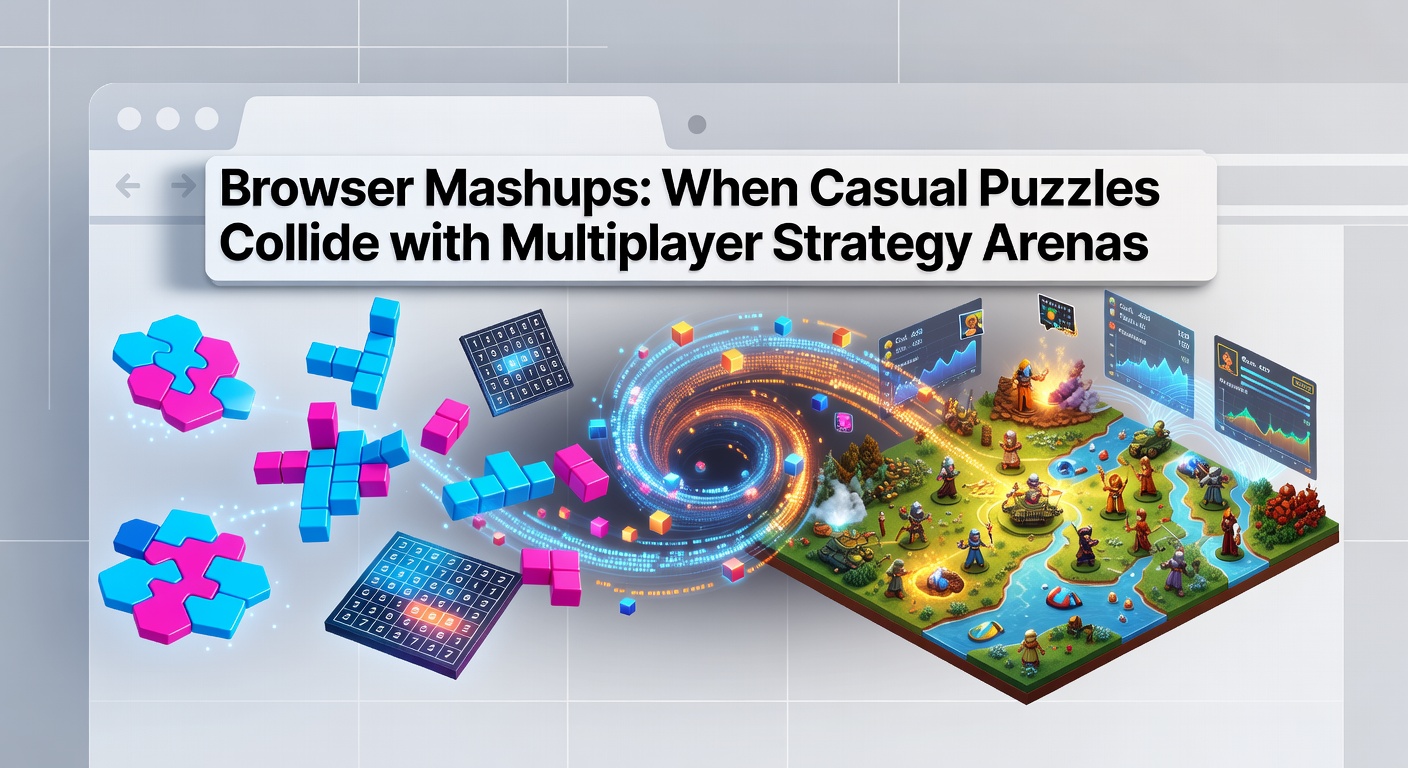
Browser Mashups: When Casual Puzzles Collide with Multiplayer Strategy Arenas
Browser mashups have taken the online gaming world by storm, blending the bite-sized appeal of casual puzzles with the intense, tactical depth of multiplayer strategy arenas; players dive into sessions that start with simple match-3 mechanics but quickly evolve into alliance-building showdowns across shared virtual battlefields. Data from industry trackers reveals that these hybrids drew over 150 million active users in Q1 2026 alone, a spike researchers attribute to seamless accessibility—no downloads required, just a modern browser and an internet connection. And as April 2026 unfolds, fresh titles like Puzzle Siege Online and StratMatch Wars push boundaries further, integrating real-time events where global player decisions reshape ongoing campaigns.
The Roots of the Mashup Phenomenon
Early browser games stuck to solo puzzles or basic multiplayer lobbies, but developers soon spotted the potential in fusion; take the mid-2010s shift when HTML5 advancements allowed puzzles to feed directly into strategy layers, turning solitary tile-matching into collective empire defense. Observers point to pioneers like Kingdom Clash Puzzles, launched around 2018, where matching resources unlocked unit deployments in persistent multiplayer worlds— a formula that hooked casual drop-ins while rewarding strategy veterans. Figures from the Entertainment Software Association show browser gaming engagement climbing 40% year-over-year by 2025, setting the stage for 2026's explosion.
What's interesting here lies in the crossover appeal; puzzle enthusiasts, who typically log short bursts, stick around longer when strategy elements add stakes—studies from gaming labs indicate average session times doubling to 45 minutes in mashups versus pure puzzles. Developers craft these by layering progression systems, so a quick gem-swap cascades into territory gains, allying players or sparking rivalries that span days.
How These Games Blend Mechanics Seamlessly
At their core, browser mashups hinge on synchronized systems where puzzle solves generate strategy currency; players might clear boards to amass troops, then deploy them on a shared hex-grid arena, fending off AI waves or rival human squads in real-time. But here's the thing: WebSockets power the multiplayer heartbeat, ensuring moves sync across browsers without lag spikes, even on modest connections—tech breakdowns from developer forums highlight how this enables 100-player arenas pulsing with activity.
Smooth transitions define the experience; a puzzle phase might last two minutes, funneling rewards into a strategy dashboard where alliances form via chat overlays or emoji-votes, and betrayals flip board states instantly. Researchers who've dissected top titles note defensive puzzles emerging under attack—scramble to match shields before enemy units breach—merging reflex with foresight in ways pure genres rarely achieve.
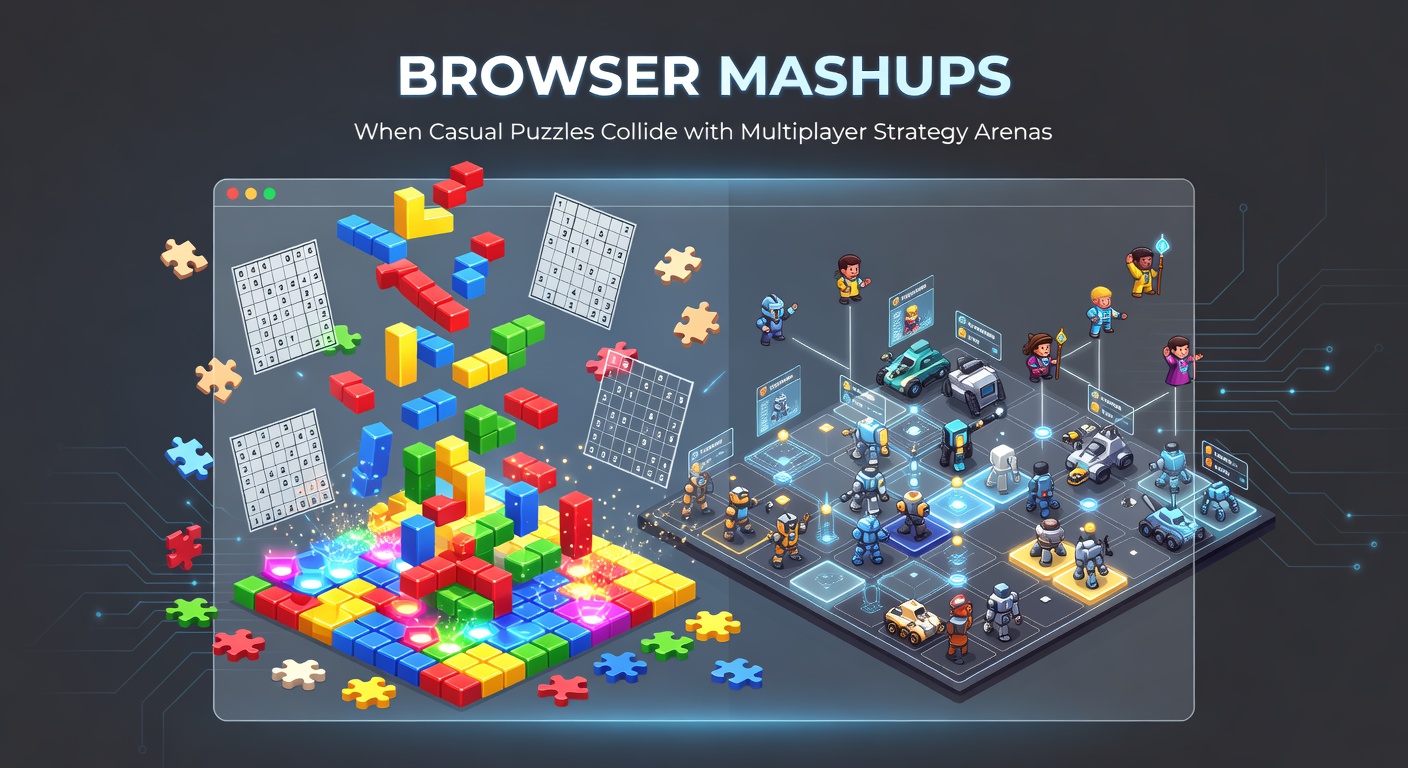
Case in point: one study from the University of Sydney's digital media lab examined Arena Gems, revealing how 72% of players escalated from solo puzzles to team strategies within their first hour, thanks to intuitive matchmaking that pairs skill levels across continents.
Standout Examples Dominating Browsers in 2026
April 2026 spotlights PuzzleForge Battles, a free-to-play titan where daily puzzle quests fuel weekly arena sieges; global leaderboards track not just wins but efficient puzzle chains, drawing 5 million logins per day according to platform analytics. Players often discover that chaining combos—say, five blue gems for artillery—turns the tide in clan wars, fostering communities that strategize via Discord bridges.
Then there's HexDuel Realms, which flips the script by embedding strategy mini-maps within expansive puzzle hubs; teams vote on realm expansions post-puzzle rounds, and data indicates retention rates hitting 65% monthly, far above industry averages for browser fare. Experts observe how these games sidestep paywalls cleverly—cosmetic boosts aid puzzles without unbalancing arenas, keeping matches merit-based.
- Puzzle Siege Online: Launched mid-April 2026, it features procedural puzzles adapting to arena threats, with cross-region servers uniting EU tacticians and Asian speed-solvers.
- StratMatch Wars: Emphasizes asymmetric play, where puzzle prowess counters strategy heavyweights; early metrics show 30% of victories from underdog puzzle bursts.
- EchoBoard Empires: Integrates voice chat snippets into puzzle timers, heightening the multiplayer frenzy.
These titles thrive because they scale effortlessly; a solo player puzzles away downtime, while groups orchestrate multi-hour campaigns, all rendered in crisp WebGL without taxing hardware.
Technology Driving the Real-Time Magic
HTML5 Canvas and JavaScript engines form the backbone, but cloud services like AWS GameLift handle scaling for peak-hour rushes—up to 10,000 concurrent users per server shard, per dev logs. And WebRTC adds peer-to-peer layers for low-latency duels, minimizing central server loads; this setup explains why mashups run buttery on mobiles too, broadening reach.
Turns out, AI plays a growing role; procedural puzzle generators tailor difficulty to arena chaos, while bots fill lobbies during off-peaks, ensuring constant action. A report from Newzoo's 2025 global games analysis projects browser hybrids capturing 15% of the free-to-play market by 2027, fueled by such innovations.
Security weaves in tightly too; client-side puzzles prevent cheating hotspots, while server validation guards strategy outcomes—though observers note blockchain experiments emerging for tamper-proof alliances in beta titles.
Player Stats and Community Dynamics
Data paints a vivid picture: 68% of mashup players hail from mobile browsers, per April 2026 aggregates, with sessions averaging 28 minutes amid work breaks or commutes. Demographics skew young adults, 18-34, but family clans boost older participation; one survey found grandparents teaming with grandkids on puzzle defenses, extending play across generations.
Communities flourish around these games—Reddit subs swell to 500k members, Discord realms host 24/7 tactics shares, and informal tourneys crown arena kings weekly. Esports scouts eye the genre; qualifiers for PuzzleForge's circuit drew 50k entrants last month, hinting at pro leagues by year's end.
Yet challenges persist; browser inconsistencies across Chrome, Firefox, and Safari demand rigorous testing, and ad integrations sometimes disrupt flow—though opt-in rewards keep monetization player-friendly.
Looking Ahead: Trends Shaping 2026 and Beyond
April 2026 marks a pivot with AR overlays in select mashups, letting players scan tables for physical puzzle proxies that sync to digital arenas; early pilots report 20% engagement lifts. Cross-platform persistence looms large too—browser progress carrying to apps—while VR browser plugins test immersive strategy views.
Regulatory eyes turn watchful; Australia's Communications and Media Authority guidelines emphasize fair play disclosures, influencing global devs to amp transparency. And with AI coaches analyzing puzzle habits for strategy tips, personalization hits new highs.
Conclusion
Browser mashups stand at gaming's sweet spot, where casual puzzles ignite multiplayer strategy fires, pulling diverse crowds into shared digital realms; as 2026 progresses, their growth trajectory—bolstered by tech leaps and community fervor—signals a lasting fixture in online entertainment. Players keep returning because the blend works, delivering quick wins alongside epic clashes, all at a browser's click away.